Scale at Speed: The Case for a Unified Multibrand Design System
Enterprises with multiple brands drown in duplicated effort. A unified multibrand design system turns fragmentation into leverage—shared foundations, flexible theming, and faster delivery.
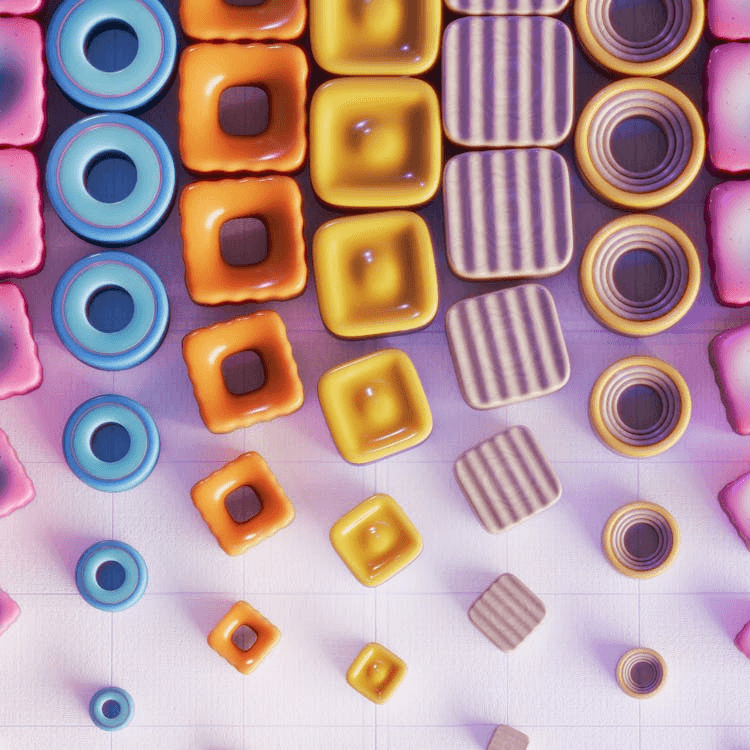
Enterprises with multiple brands drown in duplicated effort. A unified multibrand design system turns fragmentation into leverage—shared foundations, flexible theming, and faster delivery.
Why Multibrand Systems Win
Shared core, unique skins: One component library with brand tokens for colour, type, spacing, and motion.
Faster shipping: Reduce rebuilds; update once, propagate everywhere.
Lower risk: Accessibility and performance baked into core components.
Consistency without sameness: Guardrails keep UX stable while brand layers do the storytelling.
Key Architecture
Design tokens: Map brand identity to UI (colour, typography, radius, elevation).
Component primitives: Buttons, inputs, cards, nav—variant-ready and accessible.
Theming: Brand packs that swap tokens, illustrations, and copy tone.
Governance: Intake, review, ownership, and release cadence—all documented.
Measurement: Track adoption, velocity, defects, and accessibility scores.
Implementation Playbook
Audit: Inventory products, components, gaps, and brand rules.
Define tokens: Create a neutral core, then brand-specific sets.
Build primitives: Start with high-traffic components; ship early.
Pilot: Roll out to one product per brand; prove velocity and quality.
Govern: Establish contribution model, change control, and support channels.
Scale: Automate releases, publish guidelines, and track usage.
Result
You ship more, break less, and maintain distinct brands with a single, resilient backbone.